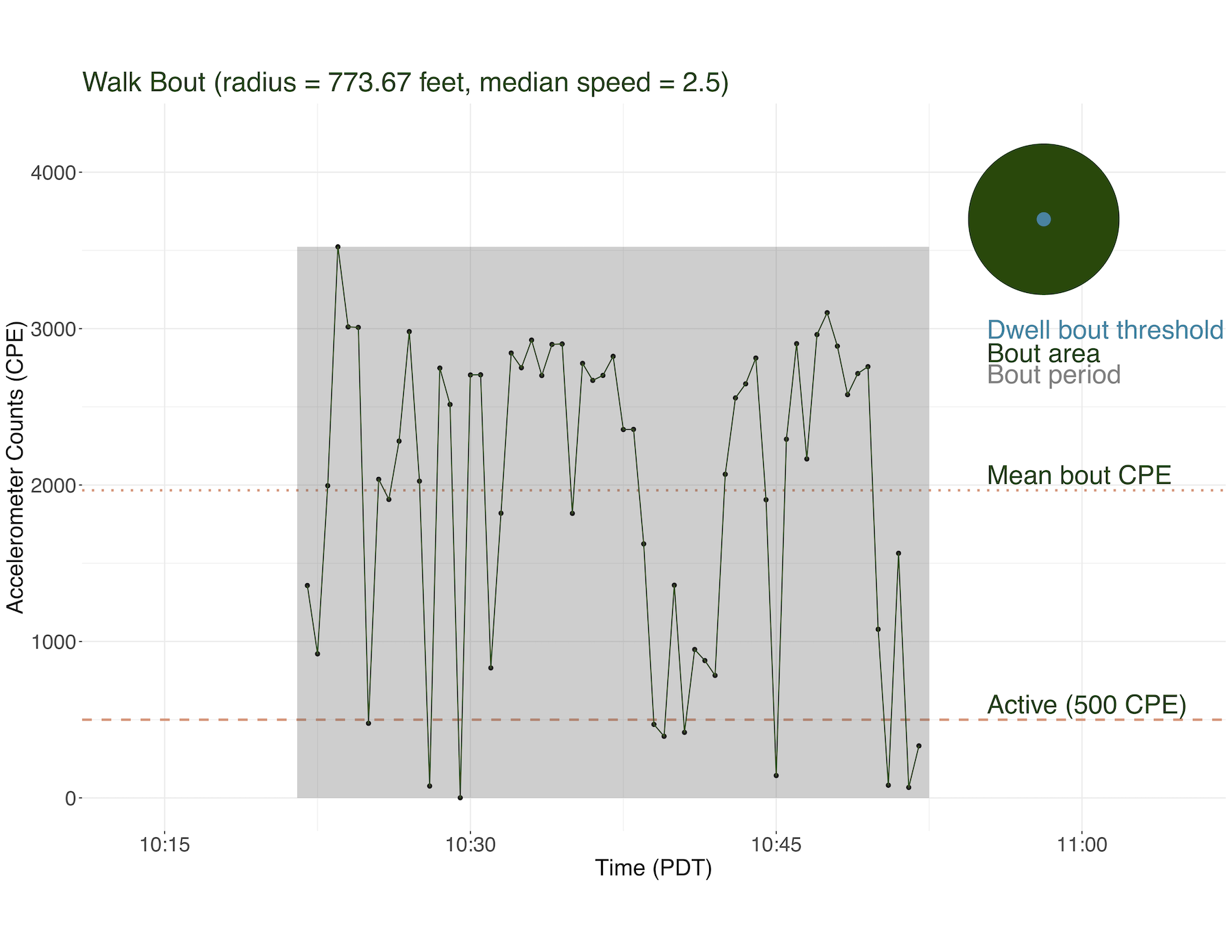
Walking is a common form of exercise and a popular intervention of interest for population health researchers. GPS devices and accelerometers, which can be worn by study participants to provide accurate information on walking duration, speed, and intensity, are an efficient and cost-effective method for measuring walking characteristics. The outcome of research on walking can inform policy... read more
The Download
Articles illustrate the power of demographic methods for a broad audience
-

Increasing the Lifespan of Software for Demographic Analysis
Many researchers face challenges with computational reproducibility. For instance, running analysis code written just a year earlier can be problematic. Even if it worked flawlessly and gave the expected results earlier, it might fail due to errors now. These issues are typically due to the use of newer versions of analysis software… read more -

Unlocking Population Estimation Using Readily Available Data
Population estimation techniques rely on past population data, number of births, deaths, and migration. While various techniques have been used to accurately produce population estimates, the gold standard has been the cohort-component method. However, this method is limited by the fact that some populations may lack the appropriate indicators… read more -
Knowing and understanding change: Methods insights using historical pandemic data
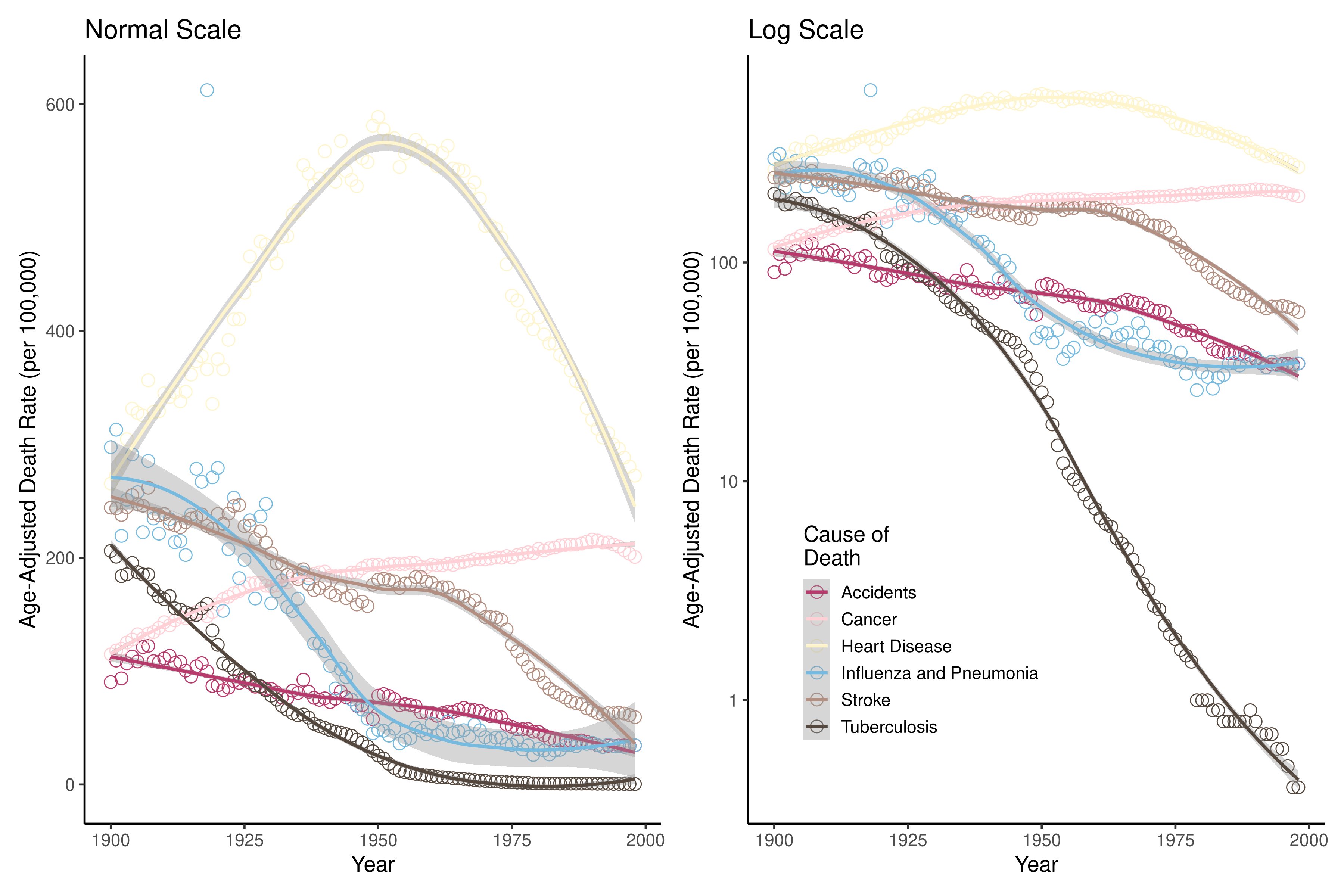
Pandemic diseases, like COVID-19, have far-reaching effects that are difficult to identify or predict during the course of the pandemic itself. Case numbers and mortality due to pandemic diseases ebb and flow... read more
No matching items
The Denominator
Articles and accompanying code repository illustrate the technical details of novel demographic or computational methods
-
Walkboutr: Extracting ‘Walk Bouts’ from GPS and Accelerometry Data for Physical Activity Research
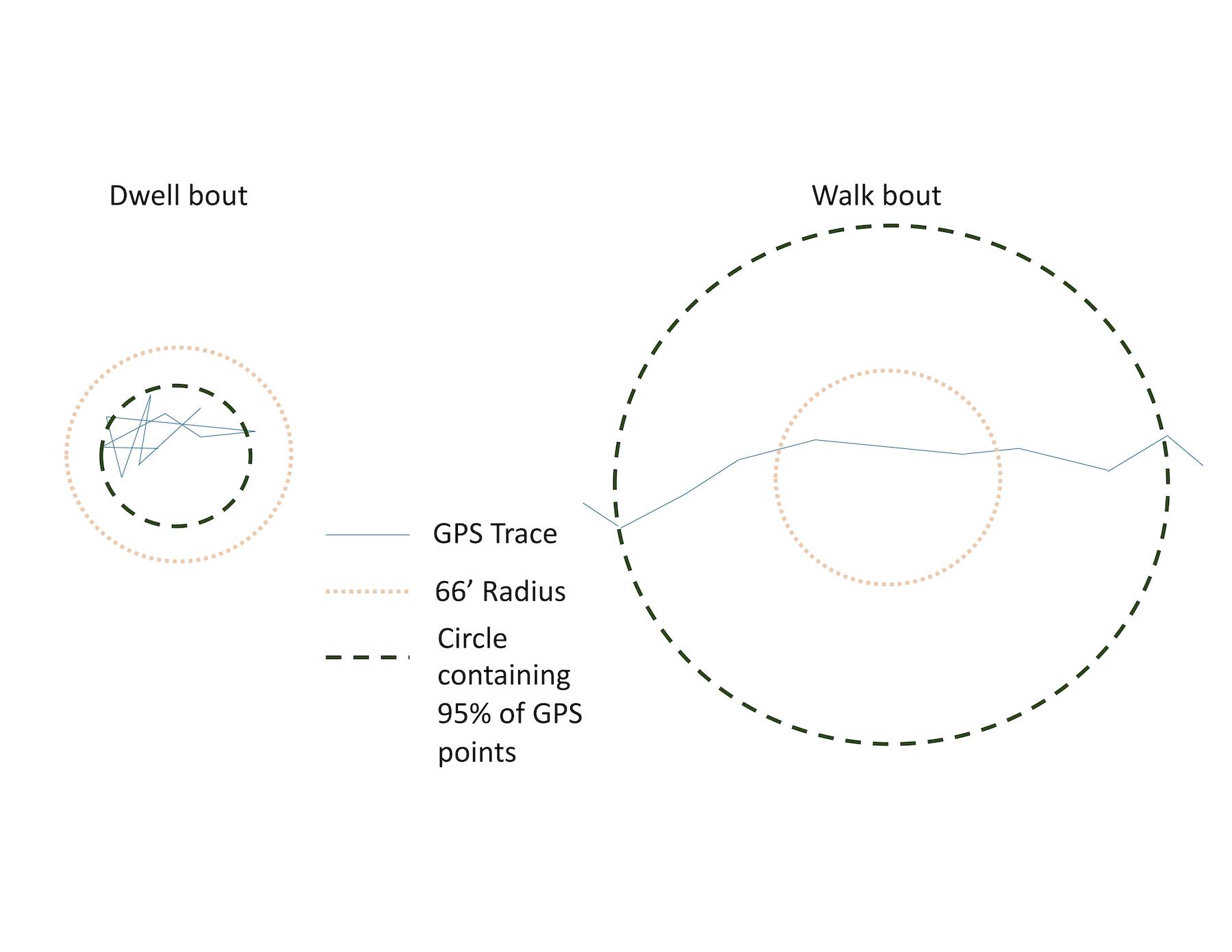
Walking is the most common form of physical activity and a behavior of key interest for urban planners, health promotion researchers, and rehabilitation medicine practitioners. Data collected from monitoring devices, such as Global Positioning System (GPS) trackers and accelerometers, hold considerable public health research potential. By analyzing patterns in individual energy expenditure and movement... read more -

Expanding the Lifespan of Software for Demographic Analysis with Containers: An Application of Spatial Sampling
Software, such as specific R packages, evolve over time, which may prevent older analysis code from working as expected. For example, default values for arguments in a function can change. Therefore, for computational reproducibility, knowing which specific R and package versions were used to run the analysis is crucial. One popular solution in R… read more -
Unlocking Population Estimation Using Readily Available Data: Applying the Simplified Censal Ratio Method
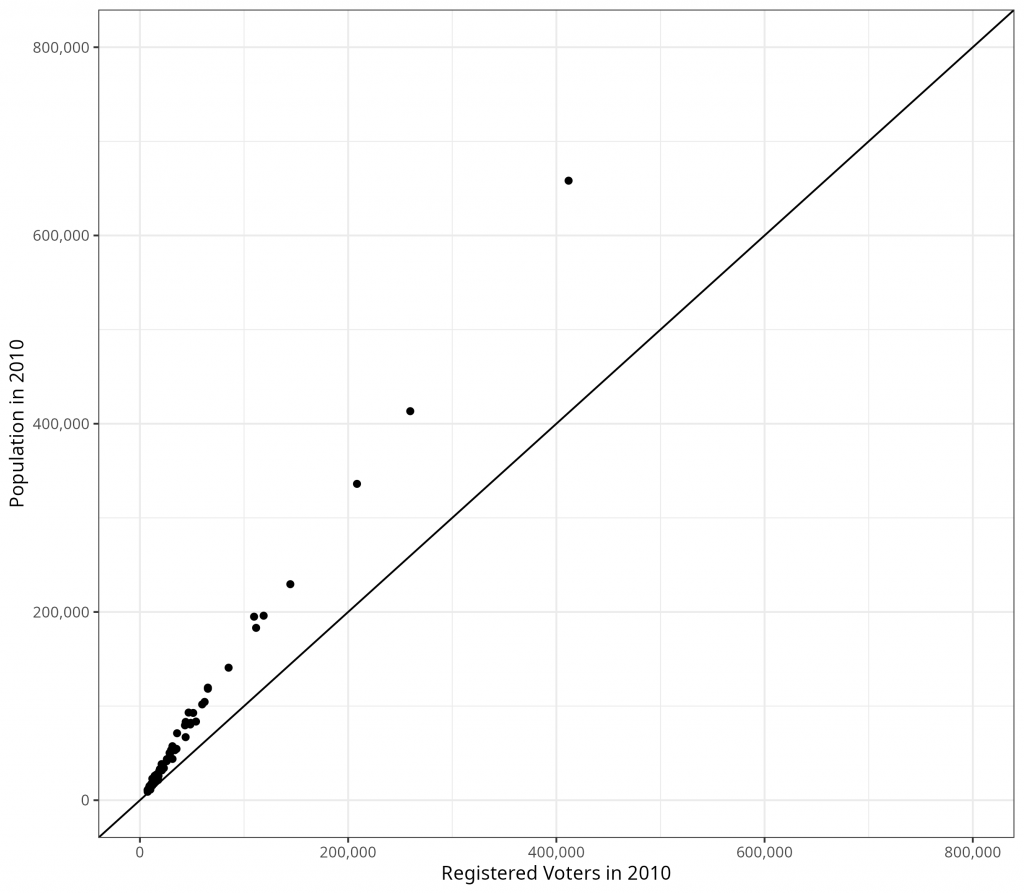
Population estimation is generally a straightforward process: any population must result from a past population number plus the births minus the deaths plus the net migration. This cohort-component method is often considered the 'gold standard' for population estimation. However, the components of change (births, deaths, migrants) used to forecast a future population are… read more -
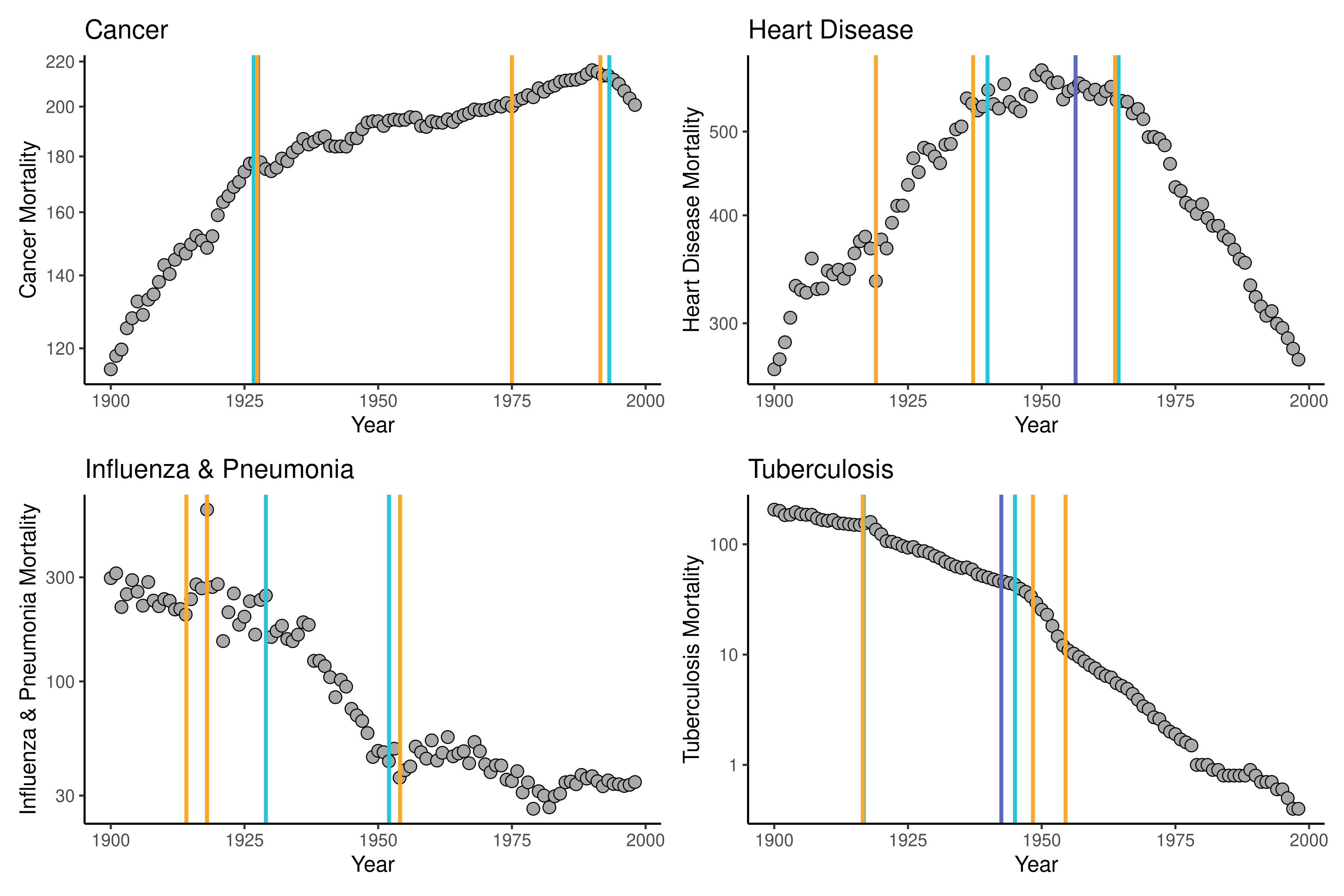
Estimating time points of significant change in cause-specific mortality: Joinpoint regression in R
Those engaged in demographic research are often interested in how and why the vital demographic processes (fertility, mortality, and migration) change in response to certain ecological, cultural, or behavioral stimuli. Today, in the midst of a global pandemic event... read more
No matching items